
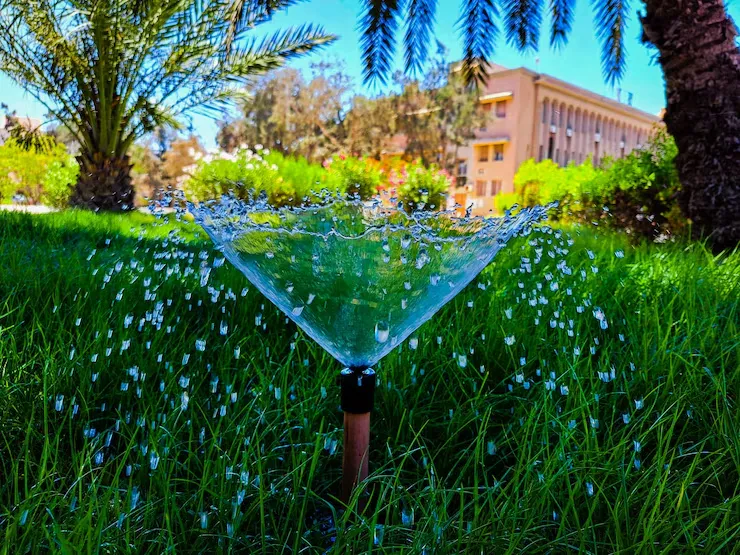
A healthy, green lawn doesn’t happen by accident—it requires proper care, attention, and most importantly, an effective irrigation system. Whether you are a homeowner or managing a property, understanding how to water your lawn correctly can make a huge difference in its appearance and long-term health. In this guide, we’ll walk you through the most important irrigation tips to help you maintain a lush, vibrant lawn all year round.
1. Water Deeply, Not Frequently
One of the most common mistakes people make is watering their lawn too often but not deeply enough. Shallow watering leads to weak root systems because the grass roots stay near the surface.
Instead, aim for deep and infrequent watering. This encourages roots to grow deeper into the soil, making your lawn more drought-resistant and healthier overall. Typically, watering 2–3 times per week is enough, depending on your climate and soil type.
2. Water Early in the Morning
The best time to water your lawn is early in the morning, usually between 5 AM and 9 AM. During this time, temperatures are lower, and there is less wind, which reduces water evaporation.
Watering in the evening may seem convenient, but it can lead to excess moisture sitting on the grass overnight. This creates the perfect environment for mold, fungus, and lawn diseases.
3. Use the Right Amount of Water
Too much water can be just as harmful as too little. Overwatering can lead to root rot, fungal diseases, and wasted resources.
A good rule of thumb is to provide about 1 to 1.5 inches of water per week, including rainfall. You can measure this using a simple rain gauge or even a small container placed on your lawn.
4. Adjust Irrigation Based on Seasons
Your lawn’s water needs change throughout the year.
- Summer: Requires more frequent watering due to heat and evaporation
- Spring/Fall: Moderate watering is enough
- Winter: In many regions, irrigation can be reduced or stopped
Smart irrigation systems can automatically adjust watering schedules based on weather conditions, helping you save water and maintain a healthy lawn.
5. Check Your Irrigation System Regularly
A poorly maintained irrigation system can lead to uneven watering, dry patches, or water waste. Make it a habit to inspect your system regularly.
Look for:
- Broken or clogged sprinkler heads
- Leaks in pipes or hoses
- Misaligned sprinklers spraying sidewalks or driveways
Fixing these small issues can greatly improve efficiency and reduce water bills.
6. Choose the Right Sprinkler System
Not all sprinkler systems are the same. Choosing the right one for your lawn size and shape is essential.
- Rotary sprinklers: Best for large areas
- Spray sprinklers: Ideal for smaller lawns
- Drip irrigation: Perfect for gardens and targeted watering
A professional irrigation setup ensures even coverage and optimal water usage.
7. Avoid Water Runoff
If you notice water pooling or running off your lawn, it means the soil isn’t absorbing water fast enough. This often happens when watering too quickly.
To prevent runoff:
- Water in shorter cycles
- Allow time for absorption between cycles
- Aerate your lawn to improve soil permeability
This helps ensure water reaches the roots instead of being wasted.
8. Aerate Your Lawn for Better Absorption
Soil compaction can prevent water from reaching the roots. Aeration involves creating small holes in the soil to allow air, water, and nutrients to penetrate deeper.
Aerating your lawn once or twice a year can:
- Improve water absorption
- Promote stronger root growth
- Enhance overall lawn health
9. Monitor Weather Conditions
Always consider the weather before watering your lawn. If it has recently rained, you may not need to irrigate at all.
Installing a rain sensor or using a smart irrigation controller can automatically adjust watering schedules based on real-time weather data. This not only conserves water but also prevents overwatering.
10. Invest in Professional Irrigation Services
While DIY irrigation can work, a professionally designed system ensures maximum efficiency and long-term reliability. Experts can assess your lawn, soil type, and climate to create a customized irrigation plan.
Professional services can help with:
- System design and installation
- Regular maintenance
- Seasonal adjustments
- Troubleshooting and repairs
This investment can save you time, money, and effort while keeping your lawn in top condition.
Final Thoughts
Maintaining a healthy lawn is all about consistency and smart watering practices. By following these irrigation tips—watering deeply, choosing the right timing, maintaining your system, and adjusting to seasonal changes—you can enjoy a lush, green lawn that enhances the beauty of your property.
If you’re looking to take your lawn care to the next level, consider working with a professional irrigation service. With the right approach, your lawn can stay healthy, vibrant, and attractive all year long.